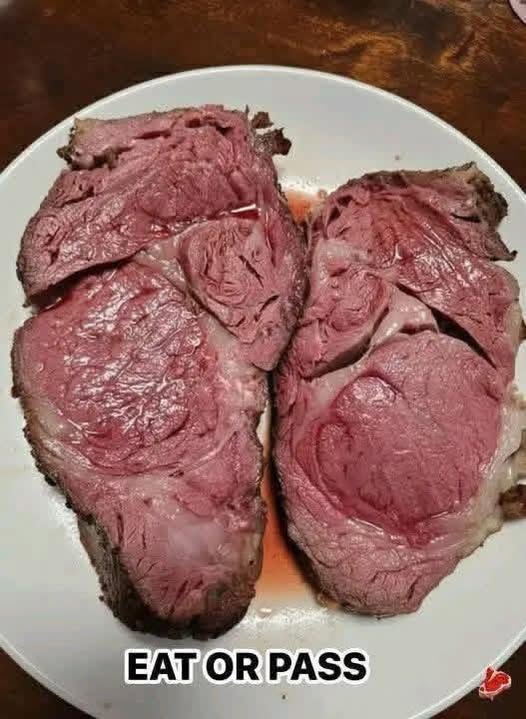
While the timing formula is excellent, checking the internal temperature right after the initial cook time and before the two-hour rest can provide peace of mind. It should read around 80-90°F at the center, as the residual heat will carry it to the final perfect temperature.
The integrity of your oven is paramount. This recipe is designed for modern ovens with excellent insulation and accurate digital thermostats. An older oven with a manual dial or poor door seals will likely lose heat too quickly during the crucial two-hour resting period, leading to an undercooked result. It is also vital to respect the process and not give in to temptation. Under no circumstances should you open the oven door during the two-hour rest.
Peeking releases a massive amount of trapped, ambient heat and will ruin the gentle, slow cooking that is happening while the oven is off. This phase is just as important as the active cooking time.
Finally, proper carving is the last step to a perfect presentation. Once the two-hour rest is complete, remove the roast from the oven. You will notice it is still very warm to the touch.
Transfer it to a cutting board and tent it loosely with foil for about 15-20 minutes. This allows the juices, which have been forced to the center by the heat, to redistribute evenly throughout the entire roast.
This final rest ensures that when you slice into it, those precious juices will stay in the meat and not run all over your cutting board. Use a long, very sharp carving knife to make clean, smooth slices to your desired thickness.
Leftover prime rib is a valuable commodity and should be stored with care to preserve its texture and flavor.
Allow the leftover meat to cool completely to room temperature before storing it, but do not leave it out for more than two hours to avoid bacterial growth.
Once cool, wrap the slices or large portion tightly in plastic wrap, followed by a layer of aluminum foil, or place them in an airtight container.

