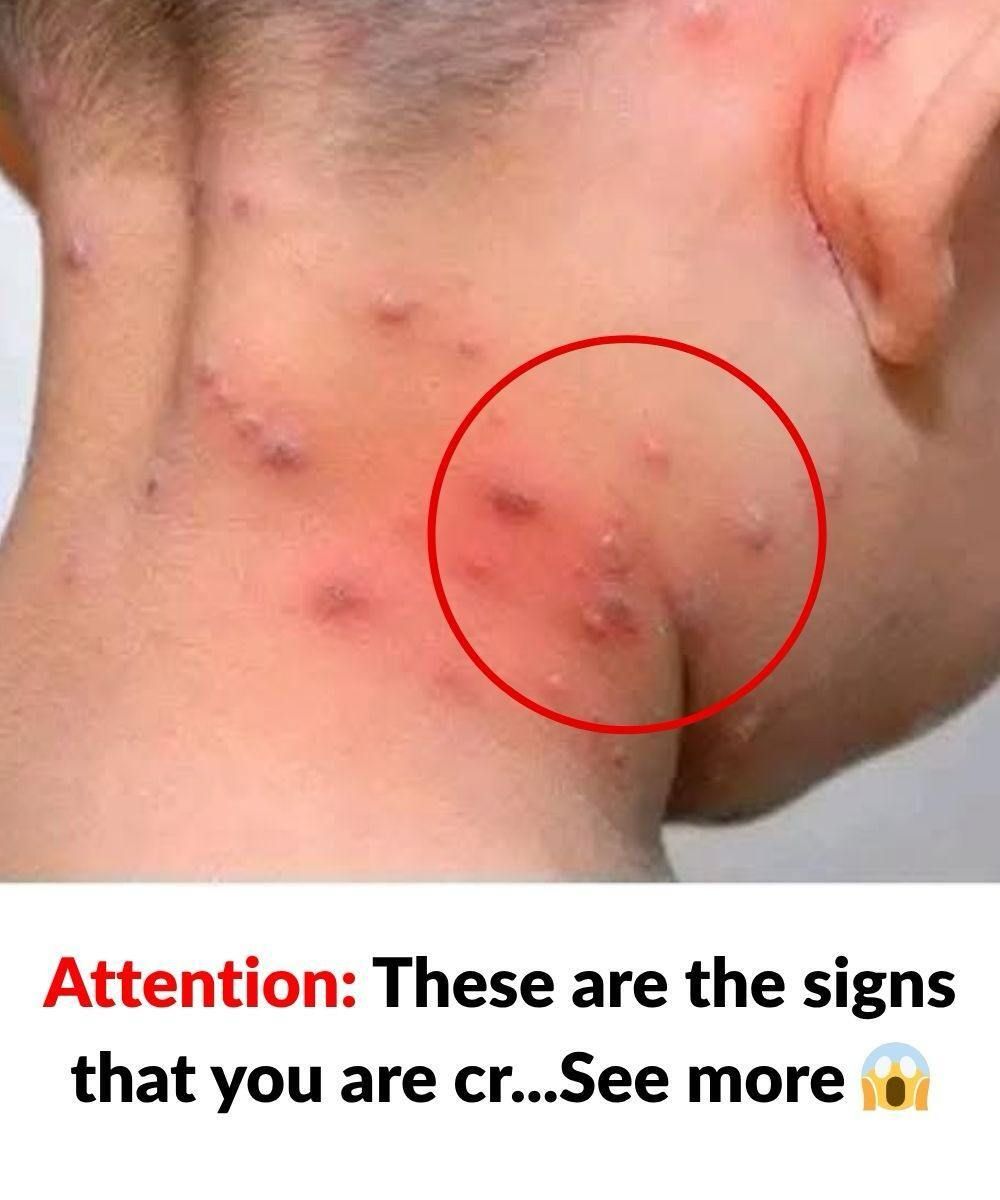
Sometimes, a rash appears right after we use a new soap, lotion, or detergent — that’s allergic contact dermatitis, and it’s your skin’s way of saying, “Something isn’t right here.”
For seniors, who often develop sensitivities they never had before, this can become more common with age.
Common Triggers Include:
Perfumes and fragranced skincare products
Ezoic
Hair dyes or cosmetic products
Costume jewelry or certain metals (like nickel)
Latex or rubber
Symptoms to Watch For:
Localized rash right where the irritant touched your skin
Swelling, itching, or tenderness
Blisters that may ooze or form crusts
Fortunately, the solution is often straightforward: identify and avoid the trigger. Over-the-counter hydrocortisone creams can help, but for severe cases, prescription treatments may be needed. If a rash keeps returning, see a dermatologist near you for allergy testing.
4. Pityriasis Versicolor: A Lesser-Known but Common Fungal Rash
Not all rashes are red and itchy. Some cause changes in skin color, often appearing as lighter or darker patches on the trunk, neck, or arms. This might be a sign of pityriasis versicolor, a fungal condition caused by the Malassezia yeast — a natural part of our skin flora that can overgrow in warm, humid conditions.
It’s more commonly diagnosed in younger adults, but older adults can develop it too, especially during hot summers or in tropical climates.
Signs of Pityriasis Versicolor:
Discolored patches of skin (white, pink, or brown)
Mild flaking or peeling
Slight itching, especially when sweating
Though it may look alarming, this condition is not contagious, and it’s usually treated with antifungal creams or shampoos. It can return, so keeping skin clean and dry is essential.
5. Seborrheic Dermatitis: When Dandruff Becomes a Bigger Issue

