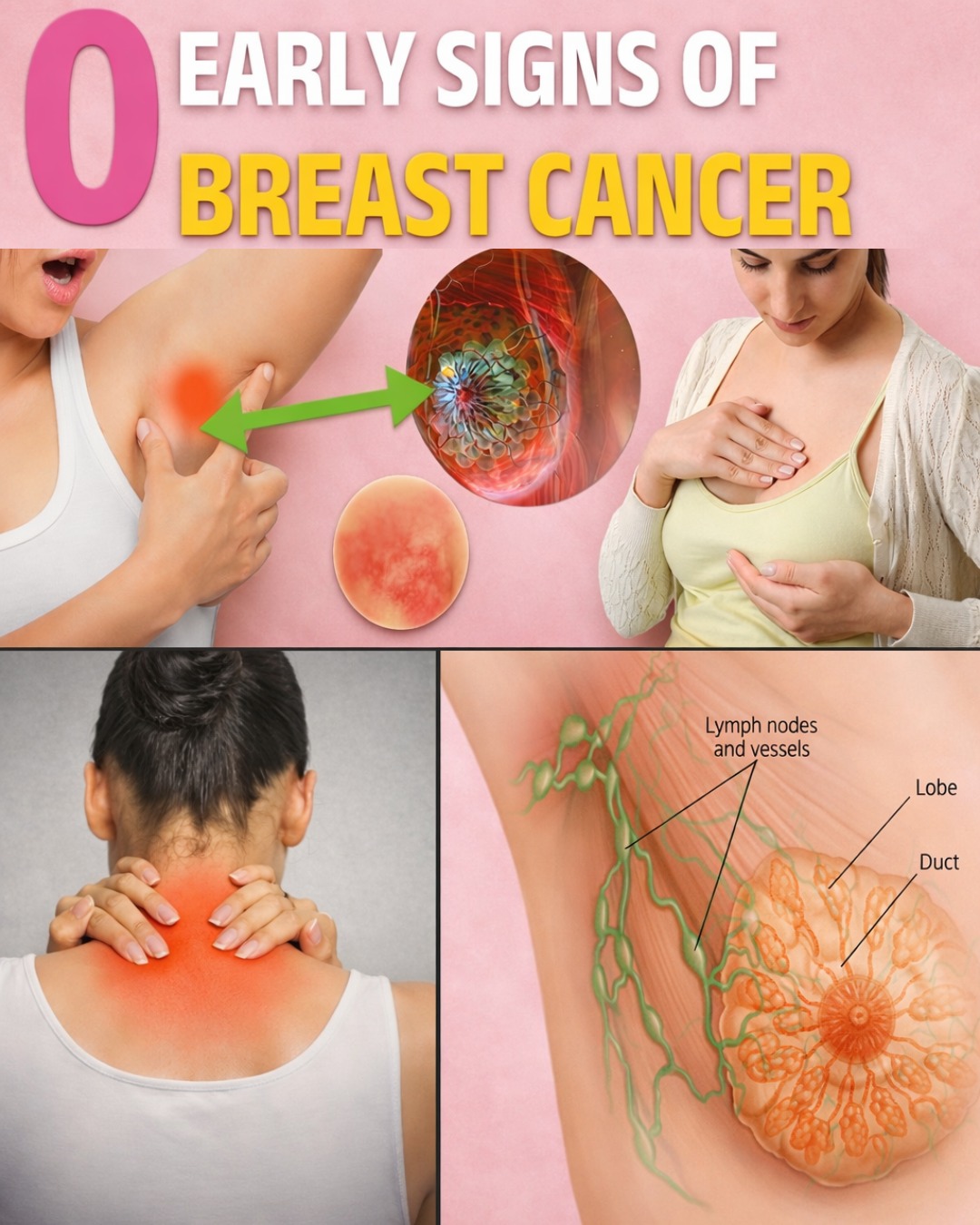
Many women notice small changes in their breasts over time, but dismiss them as normal aging, hormonal shifts, or nothing serious. These subtle differences can sometimes signal something more important, and waiting too long to get them checked can affect treatment options down the line. The good news is that most breast changes turn out to be benign, and paying attention early often leads to better outcomes through timely medical evaluation. In this article, you’ll discover the key warning signs experts urge women to watch for — and one surprising truth about early detection that could change how you approach your breast health forever.
Why Breast Awareness Truly Matters
Your breasts go through natural fluctuations due to menstrual cycles, pregnancy, menopause, and even weight changes. However, certain persistent or unusual shifts stand out from these normal variations.
Research from trusted organizations like the American Cancer Society shows that being familiar with your breasts helps you spot differences quickly. Early awareness, combined with regular screenings, gives healthcare providers the best chance to find issues when they’re most manageable.
But that’s not all — many women feel anxious about “overreacting” to changes. The reality is that checking things out brings peace of mind, even when everything is fine.
Top 10 Warning Signs of Breast Cancer Experts Want You to Know
Health authorities, including the American Cancer Society and Mayo Clinic, highlight these common signs. Remember, these can stem from non-cancerous causes too, but they always deserve professional attention.
Here they are, starting from commonly overlooked to the most reported:
10. Persistent Breast Pain or Tenderness
A lingering ache or discomfort in one breast that doesn’t follow your usual cycle can feel alarming. While many assume breast cancer is painless, some types do cause discomfort. If the pain sticks around without explanation, don’t brush it off.

9. Swelling in the Armpit or Near the Collarbone
Enlarged lymph nodes in these areas might appear without any obvious breast lump. This subtle fullness often surprises women because it seems unrelated at first.
8. Nipple Retraction or Inversion
If a nipple that was always outward suddenly turns inward (or flattens noticeably), this change matters. It can happen gradually and painlessly.
7. Unusual Nipple Discharge
Spontaneous fluid — especially clear, bloody, or from just one nipple — unrelated to pregnancy or squeezing is worth noting. Many women overlook this because it seems minor.
6. Redness, Flakiness, or Scaling on the Breast or Nipple
Skin that looks irritated, like eczema, and doesn’t improve with moisturizers could point to something more. In rare cases, this signals inflammatory breast cancer, which needs prompt evaluation.

5. Dimpling or Puckering of the Skin (Orange-Peel Texture)
When the skin pulls inward or develops a textured appearance, it’s a visual clue that often prompts women to seek care.
4. Thickening or Hardening in Breast Tissue
An area that feels denser or firmer than the rest — even without a clear lump — can be an early indicator. Routine self-awareness helps catch this.
3. Unexplained Change in Breast Size or Shape
One breast looking noticeably different in size, shape, or contour (without weight gain/loss) stands out, especially when it affects how clothes fit.
2. Unexplained Swelling or Enlargement of the Breast
Sudden swelling, warmth, or inflammation in all or part of the breast can develop quickly and feel concerning.
1. A New Lump or Mass in the Breast or Underarm
This is the most common reason women visit their doctor. The lump often feels hard, irregular, and painless, though it can vary. Early checks provide the greatest reassurance.
Here’s a quick comparison table of these signs, what they might feel/look like, and common misconceptions:
| Sign | What It Might Feel/Look Like | Why It Matters | Common Misconception |
|---|---|---|---|
| New Lump | Hard, irregular, often painless | Most frequent early indicator | All lumps are cancer (most aren’t) |
| Skin Dimpling | Orange-peel texture | May indicate underlying changes | Just aging skin |
| Nipple Discharge | Bloody/clear, spontaneous, one side | Unusual fluid needs evaluation | Only happens with infection |
| Breast Swelling | Sudden enlargement, possible warmth | Could signal inflammatory type | Caused by weight gain |
| Nipple Retraction | Nipple turns inward suddenly | Change from your normal | Always been that way (if new) |

Real Stories: From Concern to Empowerment
Consider Linda, a 58-year-old woman who spotted a slight dimple while showering. She hesitated, assuming it was nothing serious. Months later, a checkup revealed early-stage breast cancer. “I wish I’d acted sooner,” she shared. Fortunately, early attention meant simpler treatment options and a positive outlook.
Then there’s Sarah, 62, who felt a small lump during her routine self-check. Initial fear held her back, but she scheduled a mammogram promptly. The early detection allowed for effective care. “Now I encourage every friend to stay aware — it truly makes a difference.”
These stories highlight a powerful truth: Acting on changes, even when scary, often leads to better results.
Simple Steps to Build Breast Awareness Today
You don’t need to be an expert — just consistent. Here’s how to get started with practical, step-by-step tips:
- Visual Check — Stand in front of a mirror with arms at your sides, then raised overhead. Look for changes in shape, size, skin texture, or nipple position. Do this monthly in good lighting.
- Palpation (Feeling) — Lie down and use the pads of your fingers in circular motions with light, medium, and firm pressure. Cover the whole breast and underarm. Repeat standing or sitting.
- Track Changes — Note anything new in a journal, including dates and descriptions.
- Combine with Screenings — Follow age-based guidelines for mammograms (often starting at 40-45, depending on risk factors and recommendations from your doctor).
Most importantly, see a healthcare provider right away for any persistent or concerning change — don’t wait for your next scheduled screening.
Common Questions About Breast Cancer Warning Signs
Is it normal to have breast lumps sometimes?
Yes — hormonal fluctuations often cause temporary lumps or tenderness, especially around your period. Persistent ones that don’t resolve need evaluation.
What if I’m post-menopausal — do these signs still apply?
Absolutely. Breast changes at any age deserve attention, as hormonal shifts continue after menopause.
Can men get breast cancer too?
Yes, though rare. Men should watch for similar signs, like lumps or nipple changes, and seek prompt care.
Don’t Ignore Your Body’s Signals — Take Action Today
Staying aware empowers you. Most changes aren’t cancer, but knowing the signs gives you control and clarity. Prioritize your health by noticing, noting, and speaking up when something feels off.
This article is for informational purposes only and is not a substitute for professional medical advice. Always consult your healthcare provider for personalized guidance and any concerns about your breast health.

